
Eating for Life
The Plant Paradox: Are Lectins Sabotaging Your Health?
Dr. Steven Gundry's Plant Paradox diet challenges conventional wisdom about 'healthy' foods. Dr. Bravata explains what lectins are, who should avoid them, and how to implement a lectin-free approach.
The Plant Paradox: Are Lectins Sabotaging Your Health?
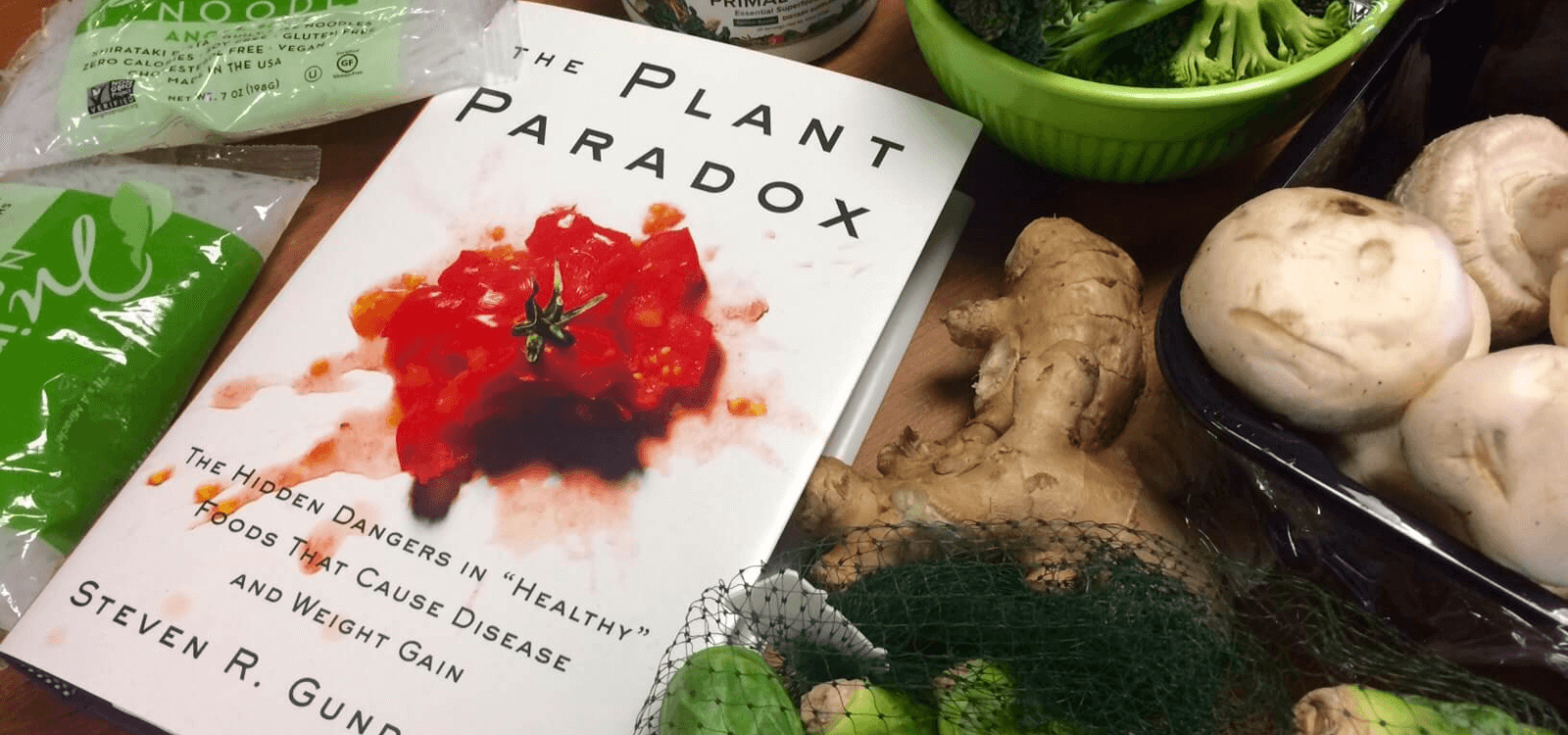
Dr. Steven Gundry's The Plant Paradox makes a simple, uncomfortable claim: some of the foods we call "healthy" — whole grains, beans, tomatoes, peppers, out-of-season fruit — carry plant defense proteins called lectins. Plants cannot run. They protect their seeds and skins by making the eater pay a price. Gluten is only one lectin. Gundry argues that many others can loosen the gut barrier, stir inflammation, stall weight loss, and aggravate autoimmunity.
I did not need a theory to notice the pattern in my own body. After heavy antibiotics and years of gastrointestinal trouble, grains, nightshades, and lectin-rich foods were frequent triggers. In Live Free or Diet I wrote about discovering Gundry's work on leaky gut and his product Total Restore while I was already using Whole30-style elimination, Zyflamend, and short courses of treatment for bacterial overgrowth. Removing the usual lectin sources for a season was not a fad for me. It was one of the first times my gut, joints, skin, and brain fog moved in the same direction.
The core idea
Lectins are sticky proteins that can bind to cells in the gut lining. In susceptible people, that may increase intestinal permeability — "leaky gut" — so fragments of food and bacterial products get into the bloodstream and keep the immune system on alert. The protocol tries to do three things at once: stop feeding the fire, repair the lining, and rebalance the microbiome.
Usually restricted
- Grains — wheat (especially whole wheat), corn, rice, oats, barley
- Legumes — beans, lentils, peanuts, soybeans, chickpeas (pressure cooking reduces lectins significantly)
- Nightshades — tomatoes, peppers, eggplant, potatoes, goji berries
- Squash family — zucchini, pumpkin, cucumber
- Conventional dairy — from grain-fed A1 cows
- Out-of-season fruit — high sugar, high lectin skin
Usually emphasized
- Pasture-raised meat and poultry
- Wild-caught fish and seafood
- Leafy greens — spinach, arugula, romaine, kale
- Cruciferous vegetables — broccoli, cauliflower, Brussels sprouts
- Avocados and avocado oil
- Olive oil and olives
- Macadamia nuts, walnuts, pistachios
- Berries in moderation
- A2 dairy from goats, sheep, or A2 cows
The cooking caveat
Many lectins are significantly reduced by proper cooking. A pressure cooker is particularly effective — Dr. Gundry recommends pressure-cooking legumes as a way to make them safer for lectin-sensitive individuals. Long-fermented sourdough is better tolerated than modern commercial bread for the same reason: fermentation degrades a meaningful portion of the lectin load.
Who benefits most
The lectin-free diet is not for everyone. It tends to be most useful for people with autoimmune conditions (rheumatoid arthritis, Hashimoto's, lupus), inflammatory bowel disease, unexplained chronic fatigue, brain fog, joint pain, or skin conditions that have not responded to conventional dietary advice. If you have tried the Mediterranean or DASH approach without improvement, a strict 4-week lectin-elimination trial is a reasonable next step.
The controversy
Mainstream nutrition remains skeptical. Population studies consistently associate legumes and whole grains with positive health outcomes. Gundry's response is that population averages obscure the meaningful subset of people whose gut permeability and immune reactivity make lectins a genuine problem. My clinical experience supports that nuance: lectins are not a universal threat, but they are a real one for a significant number of patients.
For a full comparison of dietary frameworks — Mediterranean, Plant Paradox, DASH, ketogenic, and vegan — visit the [Eating for Life](/eating-for-life) page.
This content is for educational purposes only. Consult a qualified healthcare provider or registered dietitian before making significant dietary changes.
Keep Reading
 Eating for Life
The Mediterranean Diet: The Most Studied Diet in the World
No dietary pattern has more research support than the Mediterranean diet. Dr. Bravata breaks down exactly what it is, why it works, and how to implement it — without giving up the foods you love.
Read article Detox & Cleanse
Great Plains Bentonite Detox: Ancient Clay for Modern Toxin Removal
Bentonite clay has been used for centuries to bind and remove toxins from the body. Dr. Bravata explains how Great Plains Bentonite Detox works and who can benefit most.
Read article Supplements
Total Restore by Gundry MD: Healing Leaky Gut from the Inside Out
Leaky gut syndrome is at the root of countless chronic conditions. Dr. Bravata explains why Total Restore by Gundry MD is one of the most effective gut-lining support formulas available.
Read articleFound this helpful?
Share it with someone who needs it — wellness is better together.
About the Author
Kurt Bravata, M.D.
Dr. Kurt Bravata M.D. is a physician, author of Live Free or Diet, and the founder of Holistic Human — a faith-informed wellness resource dedicated to helping people B.E. W.E.L.L.: Be Equipped With Education, Light & Love.
Read the original on Substack →Enjoyed this article?
Get Dr. Bravata's next post delivered free to your inbox — holistic health, faith, and medical freedom every week.